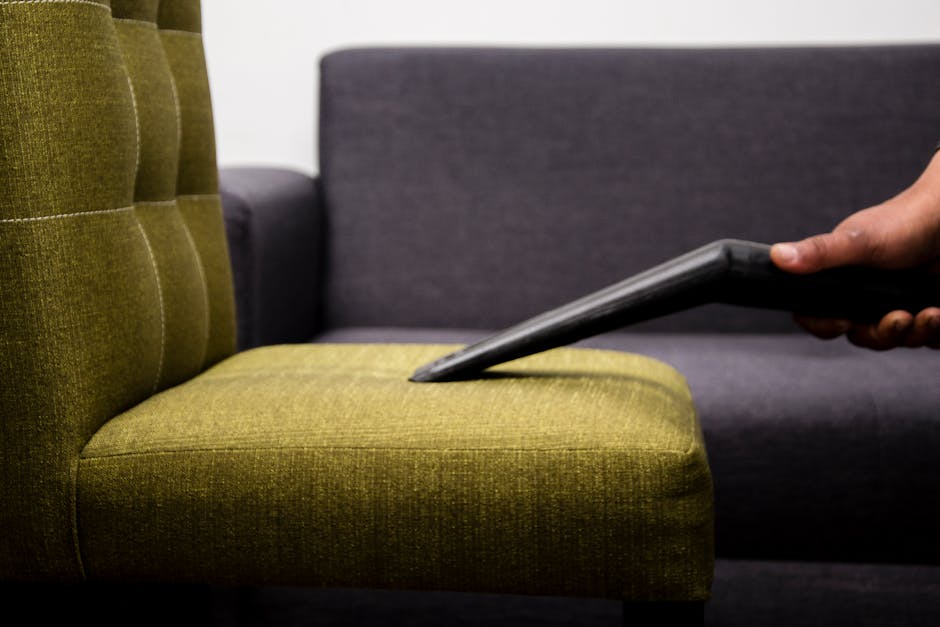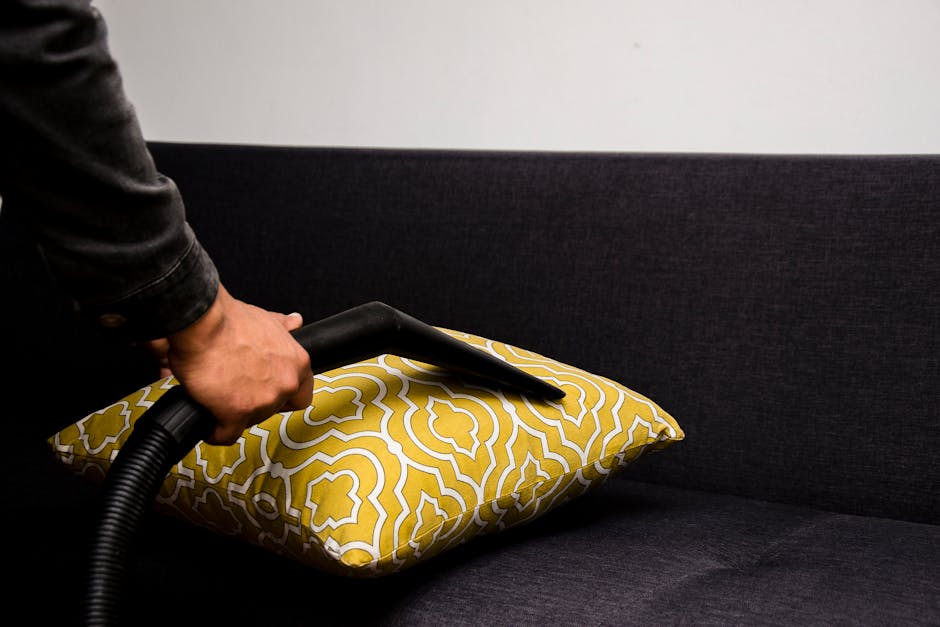
Chadwell Heath upholstery cleaning for Marks Gate flats: a practical guide for better-looking, longer-lasting furniture
If you live in a flat near Marks Gate, you will know how quickly upholstery can start to look tired. One week it is a faint tea mark on the arm of the sofa, the next it is a build-up of dust, pet hair, cooking smells, and everyday wear that seems to settle in for good. That is where Chadwell Heath upholstery cleaning for Marks Gate flats makes real sense: not as a luxury, but as a straightforward way to keep your home fresher, more comfortable, and easier to live in.
This guide explains what upholstery cleaning involves, why flats in and around Marks Gate often need a more considered approach, how the process works, and what to look for before booking. It also covers common mistakes, useful preparation tips, and the small details that can make a big difference in a compact home. In other words, the useful stuff, not the fluff.
- Why it matters for Marks Gate flats
- How upholstery cleaning works
- Key benefits and practical advantages
- Who this is for and when it makes sense
- Step-by-step guidance
- Expert tips for better results
- Common mistakes to avoid
- Tools, resources and recommendations
- Law, compliance, standards or best practice
- Options, methods, or comparison table
- Case study or real-world example
- Practical checklist
- Conclusion
- Frequently asked questions
Why Chadwell Heath upholstery cleaning for Marks Gate flats Matters
Flat living changes the way upholstery wears. Space is tighter, airflow can be patchier, and furniture often works harder because a small room has to do the job of a big one. A sofa might be where you eat, relax, work, and host guests. A dining chair may double as a desk chair. That kind of daily use leaves a mark, even if you are careful.
In Marks Gate flats, this matters for a few practical reasons. First, upholstery picks up fine dust quickly, especially where windows are opened and closed often or where foot traffic brings grit inside. Second, odours can linger in a smaller footprint. Cooking smells, damp laundry, pet odours, and smoke residue from neighbouring flats or external air movement can all settle into fabric. Third, stains in a compact home are harder to ignore. You see them every day, so the room can feel messier than it really is.
There is also the issue of longevity. A decent sofa or armchair is not cheap, and replacing it because it looks dull or smells stale is rarely the smartest option. Professional furniture cleaning can help preserve the fabric, reduce embedded grime, and keep the filling and fibres in better condition for longer. Truth be told, that is often the real win: not just a cleaner sofa, but one that stays useful for years.
If you are already comparing local cleaning options, it can help to look at the wider service range too. For example, some homes benefit from combining upholstery work with carpet cleaning, or adding sofa cleaning and stain removal for tougher marks. That approach is often more efficient than booking multiple separate visits.
How Chadwell Heath upholstery cleaning for Marks Gate flats Works
Good upholstery cleaning is not just a quick spray-and-wipe job. In most cases, it starts with identifying the fabric type, the level of soiling, and any problem areas such as food stains, pet marks, or body oils around the headrests and armrests. Different fibres react differently. Cotton, wool blends, synthetic mixes, microfibre, velvet, and delicate woven fabrics all need a slightly different touch.
The process usually follows a few common stages. First comes inspection. A cleaner checks the labels, tests a small hidden area if needed, and decides whether the furniture can safely handle low-moisture, hot-water extraction, dry cleaning, or another method. Then comes pre-treatment, where the cleaner loosens dirt and targets stains using suitable products. After that, the main cleaning stage lifts soil from the fabric. Finally, there is extraction or drying support, which helps reduce moisture left behind.
That last part matters more in flats than people sometimes realise. Limited space can mean slower air circulation, especially in older buildings or rooms with fewer open windows. A cleaner who understands apartment work will think about drying time, air movement, and practical access. They should be able to explain what will happen, how long things may take to dry, and what you can do afterwards to help the fabric recover properly.
For some furnishings, upholstery cleaning may be paired with related services such as curtain cleaning or rug cleaning. That is useful when a room needs a fuller refresh rather than a one-off spot treatment. And if you have a mattress that has seen better days, mattress cleaning can be worth considering too. Different item, same idea: removing what has built up slowly over time.
Key Benefits and Practical Advantages
The obvious benefit is a cleaner-looking home. But the real value runs deeper than that. Upholstery cleaning can lift dulling residue, improve the feel of the fabric, and make rooms feel less heavy. That sounds simple, but if you have ever walked into a living room and thought, "Ah, that is better," you will know exactly what I mean.
Here are the main advantages in a flat setting:
- Better presentation: Sofas, chairs, and footstools look brighter and more cared for.
- Improved freshness: Regular cleaning helps reduce stale smells trapped in fabric.
- Longer furniture life: Dirt acts a bit like sandpaper over time, so removing it helps protect fibres.
- Healthier-feeling living space: While cleaning is not a medical fix, it can reduce visible dust, crumbs, and everyday buildup.
- Better support for tenants and landlords: Clean upholstery helps with move-ins, end-of-tenancy prep, and property presentation.
- More comfort: Fresh fabric simply feels nicer to use. You notice it when you sit down.
There is also a practical side for busy households. In a Marks Gate flat, you may not have room to store replacement furniture, and you may not want disruption from furniture removal. A well-managed on-site clean keeps things simple. Less faff, less lifting, and less downtime.
Expert summary: If your furniture is structurally sound but looks dull, smells a bit off, or has isolated stains, cleaning is often the sensible first step before thinking about replacement. In a flat, that can save money, space, and a surprising amount of hassle.
If budget is part of the decision, it is sensible to compare service details and ask how quotes are built. A transparent page like pricing and quotes can help you understand what is included before you book. That clarity matters more than flashy promises, frankly.
Who This Is For and When It Makes Sense
This service suits a broad mix of people. Some are homeowners who want the living room to feel nicer. Others are tenants trying to leave a flat in good shape. Landlords and letting agents may need a refresh between occupancies. Families with young children often call when the sofa starts collecting snack crumbs, juice spots, and the odd mystery mark. And pet owners? Well, let's face it, pets are wonderful, but their paws are not always kind to fabric.
You may want upholstery cleaning if:
- your sofa has visible staining or patchy discolouration;
- the fabric looks flat, greyed, or generally tired;
- there is a musty, stale, or pet-related smell;
- you are preparing for guests, a viewing, or a tenancy inspection;
- you have had a spill and home cleaning has not fully solved it;
- you want to maintain a better standard of hygiene and appearance.
Sometimes the trigger is seasonal. After a damp winter, fabric can hold onto that closed-up smell. In summer, open windows can bring in pollen and dust. And after a few weeks of extra indoor time, the wear becomes obvious. Small flat, busy routine, big accumulation. It happens.
It is also worth noting that not every item needs the same treatment. A velvet accent chair may need a more careful process than a synthetic dining bench. A professional should explain that openly rather than pretending one method fits everything. That honesty is a good sign.
Step-by-Step Guidance
If you are booking Chadwell Heath upholstery cleaning for Marks Gate flats for the first time, a simple process makes everything easier. Here is the usual flow from a customer point of view.
- Identify what needs cleaning. List the furniture pieces, fabrics, stains, and any concerns such as drying time or access.
- Check the care label. If there is one, it often gives a useful starting point. If not, the cleaner should inspect the fabric carefully.
- Ask about the method. Hot-water extraction, low-moisture cleaning, and dry methods all suit different items. The best choice depends on the fabric and soiling.
- Move small items out of the way. Cushions, throws, ornaments, and nearby clutter make a flat feel busy fast. Clearing them helps the job go smoothly.
- Vacuum first if possible. Removing dry dust and crumbs helps the cleaning stage work better.
- Spot the worst areas. Mention the armrests, headrests, seating fronts, and any stains you already know about. Do not be shy. The more the cleaner knows, the better.
- Allow for drying. Open a window if you can, keep the room ventilated, and avoid sitting on the fabric too soon.
- Protect the result. Once dry, think about using throws, routine vacuuming, and quick response to future spills.
That is the tidy version. Real life is a bit messier. Someone is usually trying to work from the kitchen table while the cleaner sets up in the living room, or the hallway is lined with shoes and shopping bags. No drama, just normal flat life. A good cleaner will work around it professionally.
If you want a broader clean rather than just upholstery, steam carpet cleaning can be a strong complement in heavily used rooms. It is especially helpful where floor fabric and seating both need attention.
Expert Tips for Better Results
Small choices make a big difference. In our experience, the best outcomes usually come from people who prepare the space well and speak up about the fabric's problem areas. That sounds obvious, but it is often the difference between a decent clean and a really satisfying one.
- Act on stains early. Fresh marks are usually easier to treat than old, heat-set ones.
- Do not over-wet the fabric at home. Soaking a cushion can push the stain deeper and slow drying.
- Vacuum regularly between professional cleans. It helps prevent grit from grinding into the fibres.
- Use throws in high-wear spots. Particularly useful if kids or pets always end up in the same seat.
- Tell the cleaner about previous DIY treatments. Some supermarket stain removers can change how a fabric reacts.
- Make space before the appointment. A bit of clearing up beforehand saves time and avoids awkward moving around.
One simple but overlooked tip: take a quick photo of problem areas before the clean. Not for drama. Just so you can compare the before and after properly. People often forget how much improvement they have seen once everything looks fresher and they are back to normal life.
It also helps to ask whether the cleaner has insurance and follows sensible safety procedures. Pages like insurance and safety and health and safety policy exist for a reason: they help customers understand the standards behind the service, especially when work is being done in homes with narrow corridors, stairs, pets, or children nearby.
Common Mistakes to Avoid
Upholstery cleaning looks easy from the outside. It is not. Most problems come from rushing, guessing fabric type, or using too much liquid. The good news is that these mistakes are avoidable.
- Using the wrong cleaner on the fabric. What works on one sofa can damage another.
- Scrubbing stains aggressively. This can spread the mark and rough up the fibres.
- Ignoring drying time. Sitting on damp upholstery too soon can flatten the pile or bring dirt back into the fabric.
- Trying to mask odours instead of removing the source. Air fresheners are not cleaning, no matter how optimistic they smell.
- Assuming all dark marks are the same. Grease, ink, coffee, makeup, and food all behave differently.
- Booking only by price. Cheap is not always expensive, but poor method choice can be.
Another common mistake is forgetting the rest of the room. If the carpet is loaded with dust and the curtains are holding smells, the upholstery may clean up beautifully and still feel like part of a stale room. It is better to think in layers: furniture, floor, soft furnishings, air flow. That is the real home environment.
If stains are the main issue, a specialist pet stain and odour removal or broader stain removal service may be more appropriate for certain spots. Useful distinction, and an easy one to miss.
Tools, Resources and Recommendations
You do not need a van full of gadgets to keep upholstery in better shape, but the right tools help. A decent vacuum with an upholstery attachment is a good starting point. A soft brush can help lift dust from seams and piping. Microfibre cloths are useful for light surface cleaning, though they should be used carefully and not as a cure-all. If a stain is large, old, or oily, it is usually smarter to stop and get advice than to keep dabbing blindly.
For anyone living in a flat, these are the most practical recommendations:
- Vacuum weekly on seated areas, creases, and under cushions where possible.
- Blot spills immediately with a clean, dry cloth. Press gently. No rubbing contest.
- Keep windows open briefly after cleaning if weather allows, to help airflow.
- Use a fabric-safe protector only if appropriate and only after cleaning and drying.
- Schedule cleaning before fabric becomes heavily soiled rather than waiting for a crisis.
When you want a full refresh, it can help to pair upholstery cleaning with related services. For example, mattress cleaning supports bedroom hygiene, and curtain cleaning can reduce airborne dust and lingering smells. Soft furnishings tend to work as a system. Clean one piece, and the room often reveals the others.
For booking confidence, it is sensible to review service information such as about us, terms and conditions, and privacy policy. That gives a fuller picture of how the company works and what you can expect before anyone arrives at the door.
Law, Compliance, Standards or Best Practice
For domestic upholstery cleaning, the main thing to remember is that the work should be carried out carefully, safely, and in line with normal UK business practice. You do not need to be an expert in regulation to ask sensible questions. In fact, you probably should ask them.
Good practice usually means:
- clear communication about fabric suitability and any risk of colour change;
- appropriate testing before full cleaning where needed;
- reasonable care around water use, electrics, and slip hazards in the home;
- transparent pricing and explanation of what is included;
- respect for access arrangements, neighbours, and property rules in flats;
- proper handling of complaints and customer concerns.
In apartment buildings, access and safety matter more than people think. Hallways can be narrow, parking may be limited, and lift use may need planning. A responsible cleaner should work neatly and avoid leaving wet paths, stray equipment, or blocked exits. Small thing? Not really. In a flat, small things are the whole game.
It is also reasonable to expect a cleaner to have clear policies on payment, complaints, and sustainability. That does not sound exciting, granted, but it is part of trust. You can review these kinds of details through pages such as payment and security, complaints procedure, and recycling and sustainability. They tell you a lot about the way a business is run.
Options, Methods, or Comparison Table
There is no one-size-fits-all approach. Different upholstery and different living situations call for different methods. Here is a simple comparison to help you think it through.
| Method | Best for | Strengths | Limitations |
|---|---|---|---|
| Hot-water extraction | Durable fabric sofas, chairs, and well-used seating | Deep cleaning, strong soil removal, good for embedded grime | May need longer drying time; not ideal for delicate fabrics |
| Low-moisture cleaning | Flats where quicker drying is helpful | Reduced drying time, less disruption, often practical in compact homes | May be less aggressive on very heavy soiling |
| Dry cleaning | Delicate fabrics or items sensitive to moisture | Gentler on certain materials, useful where water use must be limited | Not always the best choice for deep-set dirt or heavy stains |
| Spot treatment only | Small isolated marks | Quick and targeted | Won't refresh the whole item; can leave overall dullness behind |
For many Marks Gate flats, the best option is not the most dramatic one. It is the one that suits the fabric, the level of wear, and the time you have available before the room needs to be back in use. Sensible beats heroic, every time.
Case Study or Real-World Example
Picture a typical two-bedroom flat near Marks Gate. The living room has a three-seater sofa, a fabric armchair, and a rug under the coffee table. Nothing unusual. The residents have lived there for a few years, and the furniture is still in good shape, but the sofa arms are darker than the rest of the fabric, there are light food marks near the seat cushions, and the room has picked up a faint musty smell after a wet spell.
In a case like that, upholstery cleaning is usually more sensible than replacement. The cleaner inspects the fabric, identifies the likely source of soil build-up, pre-treats the arms and seat fronts, and cleans the item using a method suited to drying time in a flat. The rug may be cleaned at the same time if it is part of the same seating area, which helps the whole room feel consistent again.
What changes afterwards? The room looks brighter, yes, but the bigger difference is how it feels to live in. The sofa no longer draws your eye in the wrong way. The stale note in the room fades. Guests do not notice the fabric first; they notice the space. That is usually the point.
That said, not every case is a miracle job. Old dye transfer, permanent sun fading, or certain set stains may remain visible. A trustworthy cleaner should say so plainly rather than pretending otherwise. Honest expectations beat disappointment, and they build better results over time.
Practical Checklist
Before your appointment, run through this quick checklist. It keeps things simple and avoids the usual last-minute scramble.
- Identify every item that needs cleaning.
- Check for visible stains, odours, or wear patterns.
- Move breakables, remote controls, and clutter away from the cleaning area.
- Vacuum loose dust, crumbs, and pet hair if you can.
- Tell the cleaner about any recent spills or DIY stain removers used.
- Confirm access, parking, and entry details for your flat.
- Ask about drying time and when the furniture can be used again.
- Keep children and pets out of the work area during cleaning.
- Open windows if practical to support airflow afterwards.
- Take a photo before and after, if you want a clear record of the difference.
Quick takeaway: the best upholstery clean in a flat is usually the one that is planned properly, matched to the fabric, and given enough time to dry. Simple, really. Not always easy, but simple.
If you are ready to compare options or arrange a visit, contact the team to discuss your furniture, your flat layout, and the finish you want. A short conversation at the start can save a lot of guesswork later.
Get a free quote today and see how much you can save.
Conclusion
Chadwell Heath upholstery cleaning for Marks Gate flats is one of those services that quietly improves daily life. It freshens the room, helps furniture last longer, and makes compact spaces feel less cramped and more cared for. In a flat, that matters. You are working with a smaller environment, so every visible surface counts a bit more than people think.
The best results come from matching the method to the fabric, preparing the room properly, and choosing a cleaner who is open about process, drying time, and practical limits. Do that, and the outcome is usually satisfying in a very ordinary, very useful way. The sofa looks better. The room feels better. You feel a bit better in it too.
And honestly, that is often enough. A cleaner flat, a fresher seat, a quieter head. Not a bad result for one appointment.
Frequently Asked Questions
How often should upholstery be cleaned in a Marks Gate flat?
That depends on use, pets, children, and fabric type. Many homes benefit from a professional clean every 12 to 24 months, but high-use seating or homes with pets may need attention sooner.
Will upholstery cleaning remove all stains?
Not always. Fresh spills often respond well, but old, heat-set, dyed, or chemically altered stains can be stubborn. A good cleaner should explain the likely result before starting.
How long does upholstery take to dry in a flat?
Drying time varies by method, fabric, room temperature, and airflow. Compact flats can sometimes dry more slowly if windows stay shut, so ventilation matters a lot.
Is steam cleaning safe for all upholstery?
No. Steam or hot-water extraction suits some durable fabrics, but delicate materials may need a lower-moisture or dry method. Fabric testing is important before full cleaning.
Can I clean my sofa myself?
You can handle light maintenance such as vacuuming and gentle blotting, but deep stains, odours, and delicate fabrics are better left to someone with the right method and equipment.
What should I do before the cleaner arrives?
Clear small items from the area, vacuum if possible, and point out stains or problem spots. If access is tricky in your building, mention that early so the appointment runs smoothly.
Does upholstery cleaning help with odours?
Yes, if the odour is coming from soil, spills, pet residue, or general buildup in the fabric. If the smell comes from deeper issues, the cleaner should tell you that honestly.
Can landlords or tenants benefit from upholstery cleaning?
Absolutely. It can help improve presentation for viewings, inspections, or end-of-tenancy preparation. In flats, a fresher sofa or chair can make a whole room feel better cared for.
Is it worth cleaning older furniture?
If the frame and fabric are still in reasonable condition, yes. Cleaning can often revive furniture that looks worn but is still perfectly usable. If the damage is structural, then replacement may be the better call.
What is the difference between upholstery cleaning and sofa cleaning?
Upholstery cleaning is the broader term for fabric-covered furniture, while sofa cleaning focuses specifically on sofas. The terms overlap a lot, but upholstery also includes chairs, footstools, and other fabric items.
Do I need to move the furniture myself?
Usually only small or lightweight items need moving. Larger furniture is often cleaned in place, though access requirements vary. It is best to ask in advance rather than assume.
How do I know if a cleaner is trustworthy?
Look for clear pricing, sensible explanations of the cleaning method, and straightforward policies on payment, safety, and complaints. A trustworthy service tends to sound calm and practical, not pushy.